Train Hard Again. Without Your Body Fighting Back.

Train Hard Again. Without Your Body Fighting Back.

A unique approach to pain, movement limitations and recurring injuries combining applied neurology, biomechanics and strength training to help you move better, feel stronger and train with confidence.


Coach guiding an athlete through strength training

We don't guess.


We test how you move and function, make a targeted change, then retest straight away to see if it actually helped.

Coach guiding an athlete through strength training


We don't guess.


We test how you move and function, make a targeted change, then retest straight away to see if it actually helped.

6,000+

6,000+

COACHING HOURS

COACHING HOURS

200+

200+

PEOPLE HELPED

PEOPLE HELPED

$120K+

$120K+

INVESTED IN EDUCATION

INVESTED IN EDUCATION

Why hasn’t anything else worked?

What if the painful area isn’t the whole problem?

Pain and tension don't always mean something is damaged. They can be influenced by many different factors, which is why we test rather than assume.


Pain and tension don't always mean something is damaged. They can be influenced by many different factors, which is why we test rather than assume.

Protective tension

Your body isn't working against you.

That tightness could be your nervous system creating extra stability when it doesn’t fully trust a movement, position or load.

Protective tension

Your body isn't working against you.

That tightness could be your nervous system creating extra stability when it doesn’t fully trust a movement, position or load.

The missing piece

Change the input. Change the response.

Your eyes, balance, breathing, skin, nerves and joints constantly send information to your brain. Change that information, and movement will change too.

The missing piece

Change the input. Change the response.

Your eyes, balance, breathing, skin, nerves and joints constantly send information to your brain. Change that information, and movement will change too.

The method

Test. Change. Retest.

We test different inputs, look for a meaningful change, then build strength around what your body responds to best.

The method

Test. Change. Retest.

We test different inputs, look for a meaningful change, then build strength around what your body responds to best.

How your nervous system works

Every Movement Starts Here.

Every Movement Starts Here.

Every movement begins with information.

Your nervous system is constantly taking in information and using it to help regulate strength, tension, balance, coordination and movement.

Input

Your Brain Is Constantly Taking In Information

Your eyes, balance system, joints, muscles, skin, breathing and the world around you are constantly sending information to your brain about where you are and what’s happening.

Input

Your Brain Is Constantly Taking In Information

Your eyes, balance system, joints, muscles, skin, breathing and the world around you are constantly sending information to your brain about where you are and what’s happening.

Process

Your Brain Helps Shape the Response

Your brain uses incoming information to help regulate movement, strength, balance, coordination and protective responses.

Process

Your Brain Helps Shape the Response

Your brain uses incoming information to help regulate movement, strength, balance, coordination and protective responses.

Output

Your Body Responds

The information your nervous system receives directly influences: • Strength • Balance • Mobility • Coordination • Muscle tension • Pain • Fatigue • Performance Change the input, and you can change the output.

Output

Your Body Responds

The information your nervous system receives directly influences: • Strength • Balance • Mobility • Coordination • Muscle tension • Pain • Fatigue • Performance Change the input, and you can change the output.

Better input. Better output.

Every Body Has A Threat Bucket.

Your body doesn’t only respond to injuries. Sleep, stress, breathing, nutrition, previous injuries, vision, balance and other factors can all influence how safe your nervous system feels. As these stresses build up, they can influence how your nervous system responds to movement, training and pain.

History

Previous injuries

Previous injuries and scars can change the way you move and the information your brain receives from that area, even long after the tissue has healed.

History

Previous injuries

Previous injuries and scars can change the way you move and the information your brain receives from that area, even long after the tissue has healed.

Input

Vision and balance issues

Your eyes and balance system help your brain know where you are in space. When that information isn’t clear, your body may create extra tension and stiffness to feel more stable.

Input

Vision and balance issues

Your eyes and balance system help your brain know where you are in space. When that information isn’t clear, your body may create extra tension and stiffness to feel more stable.

Breath

Poor breathing

The way you breathe influences your posture and movement, as well as how calm, prepared and adaptable your nervous system feels.

Breath

Poor breathing

The way you breathe influences your posture and movement, as well as how calm, prepared and adaptable your nervous system feels.

Biomechanics

Force distribution

If one area consistently has to compensate and do more work than another, that extra load can gradually fill the bucket.

Biomechanics

Force distribution

If one area consistently has to compensate and do more work than another, that extra load can gradually fill the bucket.

Stress

Work and life stress

Your body doesn’t separate stress at work from stress in the gym. Physical, emotional and mental stress all draw from the same capacity to recover and adapt.

Stress

Work and life stress

Your body doesn’t separate stress at work from stress in the gym. Physical, emotional and mental stress all draw from the same capacity to recover and adapt.

Sleep

Poor sleep

Poor sleep reduces your capacity to recover, adapt and tolerate training stress. When sleep is consistently poor, pain sensitivity rises, performance drops and the bucket fills faster.

Sleep

Poor sleep

Poor sleep reduces your capacity to recover, adapt and tolerate training stress. When sleep is consistently poor, pain sensitivity rises, performance drops and the bucket fills faster.

Sensation

Sensory deficits

Your brain relies on clear information from your skin, joints, muscles and nerves to know where your body is. When that map gets blurry, movement become less confident and efficient.

Sensation

Sensory deficits

Your brain relies on clear information from your skin, joints, muscles and nerves to know where your body is. When that map gets blurry, movement become less confident and efficient.

Movement Options

Reduced movement options

When a joint loses range of motion, it loses movement options. Your body still has to complete the task, so other areas compensate, work harder and take on more load.

Movement Options

Reduced movement options

When a joint loses range of motion, it loses movement options. Your body still has to complete the task, so other areas compensate, work harder and take on more load.

Training

Overtraining

Training is only useful if you can recover from it. When training demand repeatedly exceeds your ability to recover, something designed to make you stronger becomes another stressor in the bucket.

Training

Overtraining

Training is only useful if you can recover from it. When training demand repeatedly exceeds your ability to recover, something designed to make you stronger becomes another stressor in the bucket.

Fuel

Nutrition and under-fuelling

Under-fuelling gives your brain and body less energy to recover, adapt and perform. The less fuel you have available, the less capacity you have to handle training, stress and everything else in the bucket.

Fuel

Nutrition and under-fuelling

Under-fuelling gives your brain and body less energy to recover, adapt and perform. The less fuel you have available, the less capacity you have to handle training, stress and everything else in the bucket.

The painful area isn’t always the whole problem. Often, the best clue is seeing what changes your pain, movement or strength when we test different inputs across the body.

The Rise & Evolve Method

A Clear Roadmap Back to Strength.

Three stages. One goal: help your nervous system trust movement again, then build the capacity and strength to perform.

Stage 1

Build Trust

Reduce protective tension and give your nervous system clearer information. You’ll focus on: • Breathing and body position • Neurological and biomechanical drills based on your assessment • Grounding and movement confidence • Restoring comfortable movement options

Stage 1

Build Trust

Reduce protective tension and give your nervous system clearer information. You’ll focus on: • Breathing and body position • Neurological and biomechanical drills based on your assessment • Grounding and movement confidence • Restoring comfortable movement options

Stage 2

Build Capacity

Progress the challenge as your body becomes more confident. You’ll focus on: • Progressing your neurological & biomechanical drills • Improving movement efficiency • Building confidence through both sides • Gradually increasing strength and load

Stage 2

Build Capacity

Progress the challenge as your body becomes more confident. You’ll focus on: • Progressing your neurological & biomechanical drills • Improving movement efficiency • Building confidence through both sides • Gradually increasing strength and load

Stage 3

Build Performance

Turn those changes into a stronger, more resilient body. You’ll focus on: • Heavier strength training • Faster and more explosive movement • Building resilience under load and fatigue • Returning confidently to training, sport and life

Stage 3

Build Performance

Turn those changes into a stronger, more resilient body. You’ll focus on: • Heavier strength training • Faster and more explosive movement • Building resilience under load and fatigue • Returning confidently to training, sport and life

The goal isn’t to avoid challenge. It’s to build a body that can handle more of it.


Proof That Feels Personal.

Real clients sharing their experience, their progress and what they’re capable of doing again.

CLIENT WORDS

What It Feels Like When Things Start Working Again.

Ben

SHOULDER PAIN → TRAINING AGAIN

“For the first time probably ever, I’ve been able to engage my chest without shoulder pain.”

The bench press and chest progression has been fantastic. My shoulders were my biggest issue when I first came to see you, so this is absolutely massive.

I can’t even begin to explain how amazing it is to finally do a chest exercise where I can actually use my chest. It’s opened my eyes to how effective these methods are, and it’s had such a positive effect on my mental state as well.

Isabel

LOWER BACK PAIN → NO FEAR OF TRAINING

“Now I’m going into a session with absolutely no fear of pain.”

I can't believe how much these 8 weeks have made a difference. My lower back had been a constant problem for 3-4 years. I’d seen so many physios and chiros, and I was going into training preparing for pain and constantly cutting sessions short.

Now I can do a lower body session with no pain, which is incredible. My headaches also went from 2-3 a week to maybe 2 across the entire 8 weeks.

Thank you for making me love weight training again!

Sunai

PAIN → CONFIDENCE

“The pain I felt on a daily basis has reduced dramatically in only a number of weeks.”

Harold, I’m so thankful for your guidance. My progress is reflective of your knowledge and understanding of how the body and mind work.

You’ve taught me solid foundations that I use daily and helped build my confidence walking into a gym again. I’m genuinely so grateful and recommend you to everyone who asks me about my sessions!

Vishani

NECK PAIN → 6/10 TO 1/10

“Some of the changes happened within just a couple of minutes.”

I came into my PT session with significant neck and upper back pain, around 6/10, along with limited range of motion.

I was genuinely amazed by how quickly Harold’s specialised neuro drills made a noticeable difference to both my pain and movement, bringing my pain down to 1/10.

It was such a cool experience feeling the results firsthand. Very grateful!!

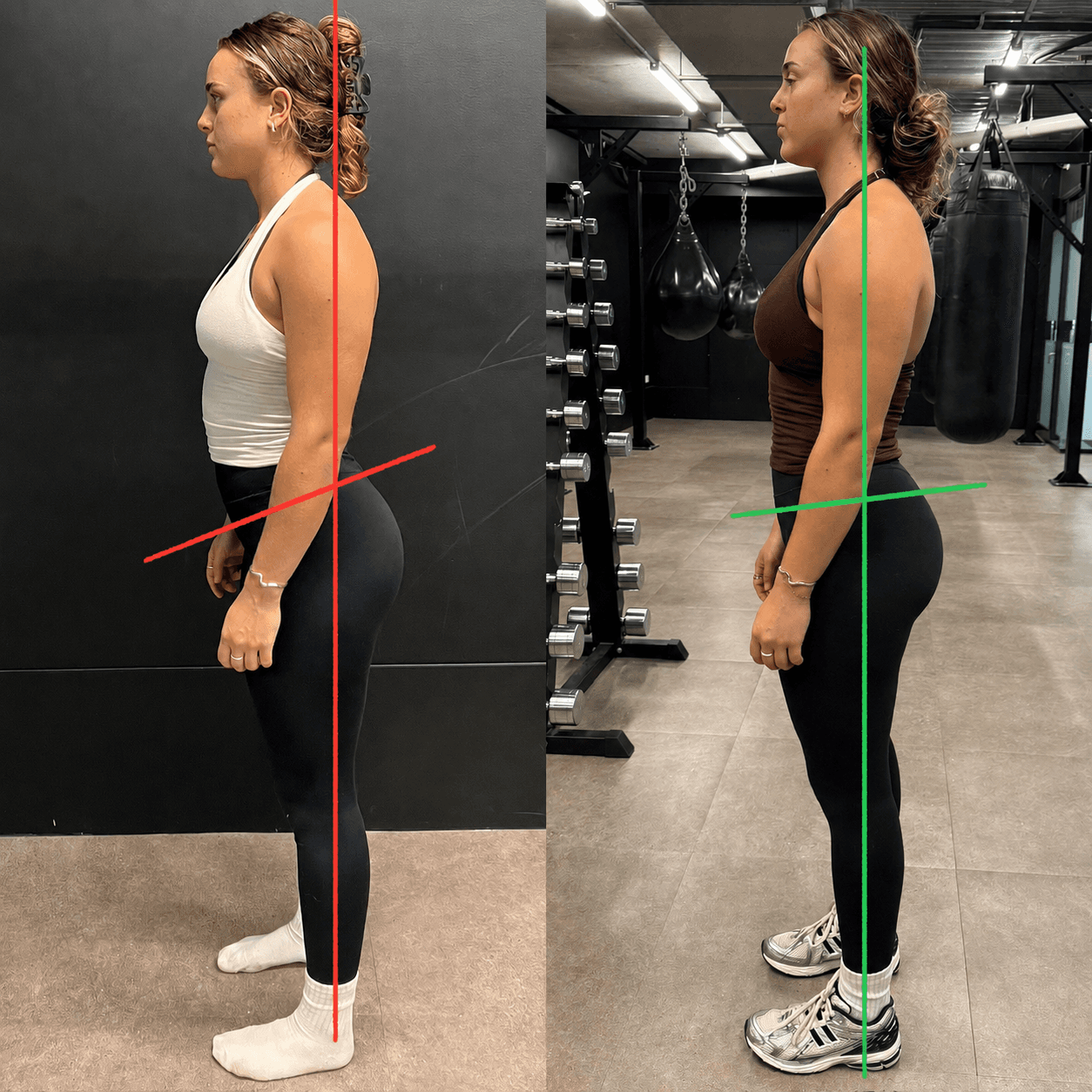
Real Change You Can See.

Posture isn't the goal. Better function is.

These are changes that happened as pain reduced, movement improved and the body found better options. We didn't force better posture. It followed better function.

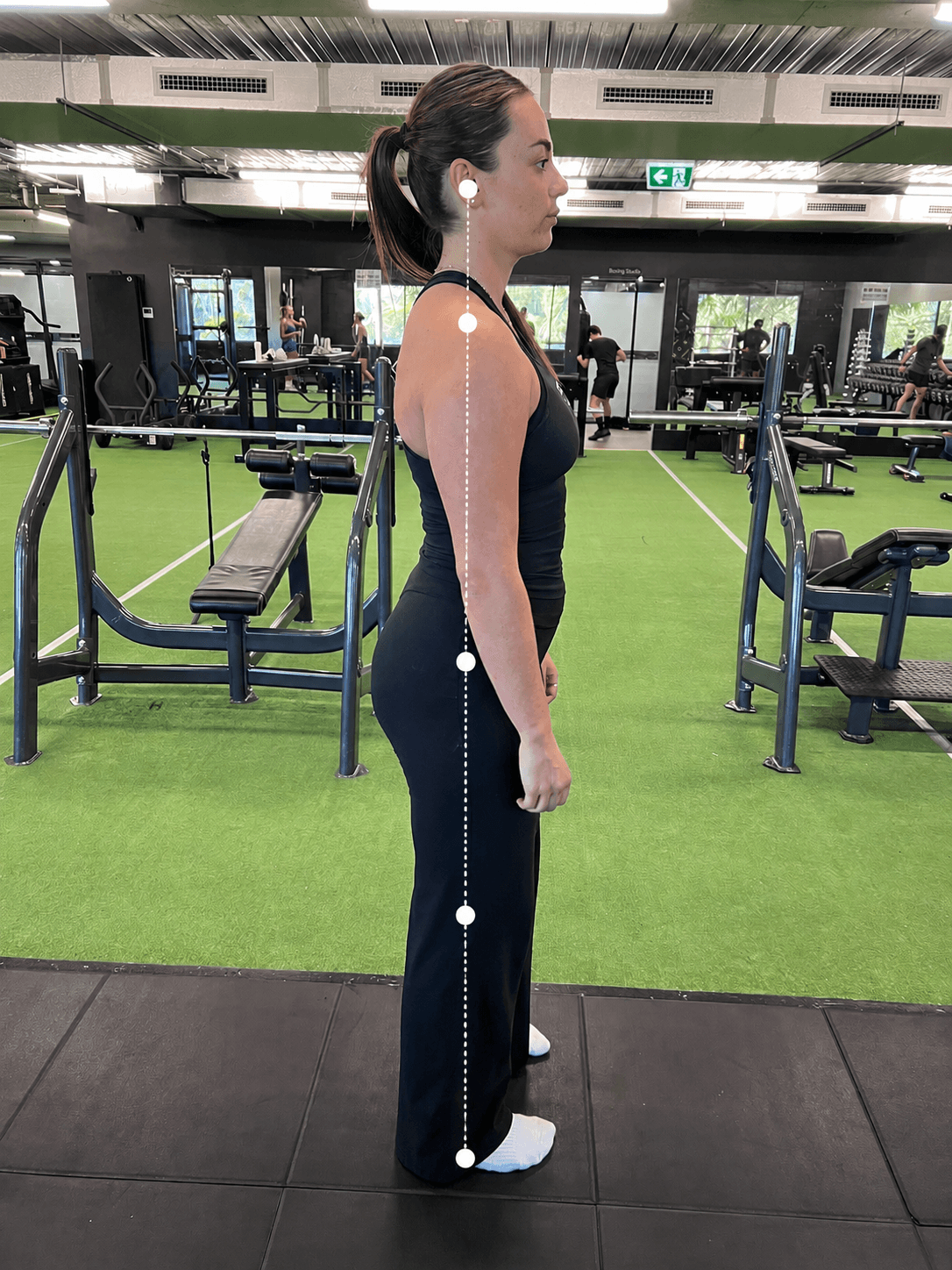
Bella
Personal trainer who had been struggling with persistent neck pain. We worked heavily on her vestibular system and restored better movement options through her neck and body. As her pain reduced, her whole standing position changed.

Anish
Had been struggling with crippling lower back pain while working an office job. We restored movement options through his spine, then built strength across multiple planes.

Simon
Had been dealing with chronic hip, back and knee pain while working as a tradie. Instead of trying to “fix” his posture, we improved his breathing, how his hips, pelvis and spine moved, then built strength around those changes.
Sunai
Had been dealing with chronic knee and lower back pain. We improved how she managed her centre of mass, addressed neurological deficits involving her vision and scars, restored movement options through her feet, hips and spine, then built strength around those changes.

Ben
Personal trainer who had been struggling with chronic shoulder and lower back pain. We improved his breathing strategy, then worked on the neurological and biomechanical restrictions affecting how his body moved and managed load.

Mia
Personal trainer who had been struggling with chronic jaw and shoulder pain. We worked on neurological inputs including vision, alongside her breathing and movement mechanics, to reduce tension and improve how her body moved.

Seth
Had been dealing with chronic lower back and elbow pain while working as a tradie. We improved how his body managed movement and load, improved his breathing strategy, then built strength around those changes.

Chris
Had been dealing with chronic back pain. We worked on his breathing, restored movement options and control through his spine, and improved force production through his weaker side. A couple of drills later, this was the change. A great example of how quickly the nervous system can respond.
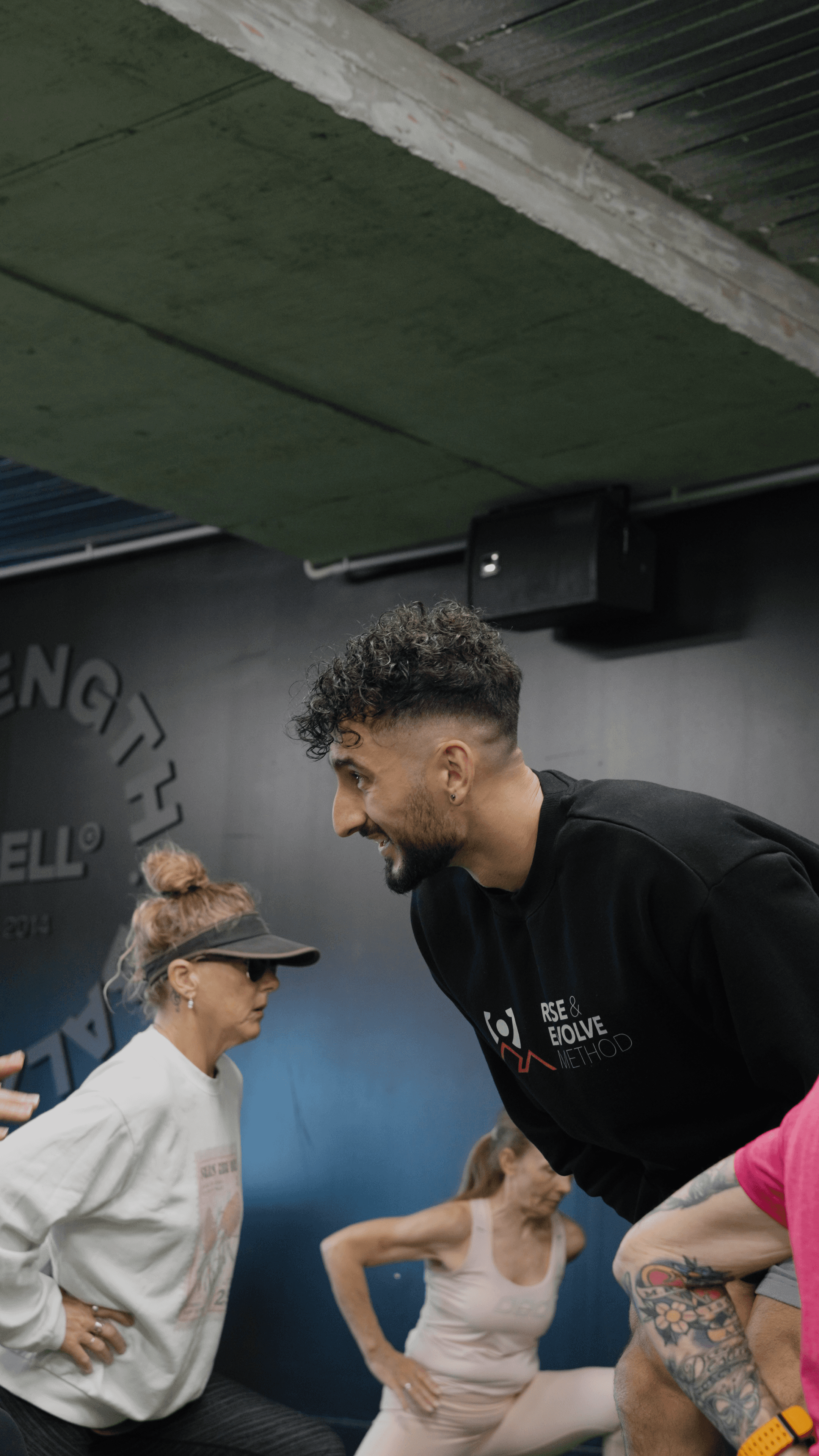
Coach working with an athlete during strength training

Meet Haroldas

I work with people who love training, pushing themselves and feeling capable, but are sick of pain, flare-ups and a body that keeps holding them back.

I combine applied neurology, biomechanics and strength training to figure out why your system is protecting you, find the inputs that create meaningful change, and build strength and performance from there.

I hate the current pain system where everyone smashes medication, release muscle or fascia 1021st time in the same week just to feel the same 3 minutes later, or keep doing random exercises found online or recommended by mate that are just trying to target the symptom.

When this whole time the body acts the way it does for a reason. I want to understand why, and what needs to change to create a lasting, meaningful result.

My approach is simple: apply a stimulus that makes sense, check the immediate response, then use that response to decide whether it’s worth keeping or whether we need to change it. No guesses.

Then we build strength around those changes so they actually transfer into training and life.


Coach working with an athlete during strength training

Ready when you are

Your Body Is Constantly Adapting.

The question is… is it adapting in the direction you want?

If pain, tightness or recurring injuries keep limiting your training, Let’s figure out what’s driving it and build a clear path back to the training you love.

• Identify what your body is protecting against
• Test the inputs that create meaningful change
• Build strength around what works
• Get you back to training with confidence

Available in person and online.

Start with a thorough assessment. Leave with a clear understanding of what we found, what we’re going to work on and why.

Not sure if this is right for you?
Let’s have a quick chat.